Add Row
Add Element
cropper
update
update
Add Element
  • Home
  • Categories
    • Healthy Hatchlings
    • Wellness Weekly
    • Avian Lifesavers
    • Vet Talks
    • Behind the Feathers
    • Rescue Roundup
    • Aviary Secrets
April 07.2025
2 Minutes Read

Mexican Health Officials Confirm Youngest Bird Flu Patient: What You Should Know

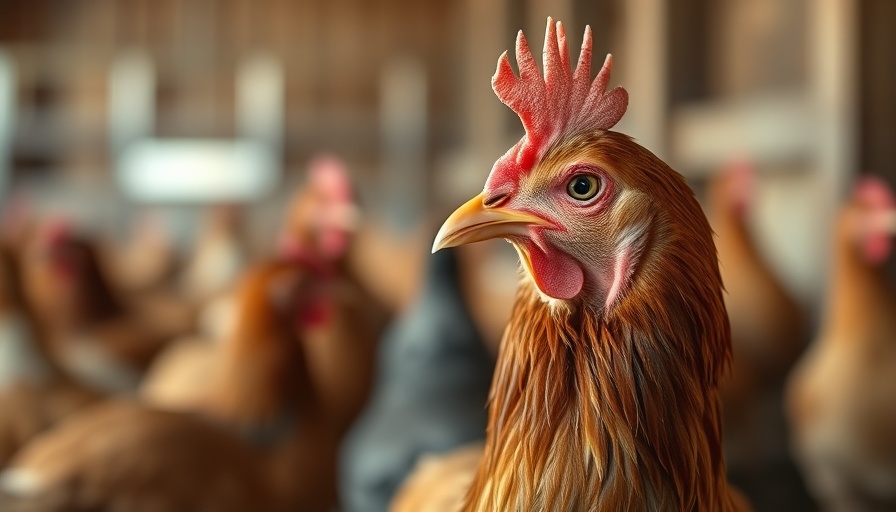
Brown chicken in a barn setting with blurred background.

Understanding Bird Flu: A Potential Health Concern

Mexican health officials recently confirmed the youngest patient to ever contract bird flu, a virus that primarily affects birds but has the potential to infect humans. This case brings to light important discussions on disease prevention, public health monitoring, and protecting vulnerable populations, especially children. While bird flu typically remains confined to avian species, sporadic transmissions to humans can sometimes occur. These cases necessitate vigilance and a robust healthcare response to mitigate potential outbreaks.

Why This Case Matters

The significance of this case extends beyond just a recorded infection. It serves as a critical reminder of the interconnectedness of wildlife health and human health. Pathogens like the avian influenza virus can jump from birds to humans, leading to significant health risks. As the world continues to grapple with zoonotic diseases—those that transfer from animals to humans—this incident is a wake-up call for enhanced monitoring systems and preventive public health strategies.

Global Response: Learning from Past Outbreaks

Globally, the medical community has become increasingly aware of the risks posed by zoonotic diseases, especially following the COVID-19 pandemic and earlier outbreaks of viruses like H1N1. Countries are urged to improve biosecurity measures, increase surveillance in agricultural settings, and educate the public on prevention strategies to limit human exposure to potentially infected birds or contaminated environments.

Moving Forward: Steps We Can Take

This incident highlights the need for proactive measures such as vaccinations for agricultural workers, public awareness campaigns, and supportive health policies. Individuals should remain informed about bird flu symptoms and prevention methods, especially those living in or visiting areas where bird flu is prevalent.

Staying educated on this topic is crucial not just for individual awareness but also for contributing to community health efforts. Government and health organizations must prioritize communication about risks to help mitigate fears and encourage responsible behaviors around wildlife.

Wellness Weekly

6 Views

0 Comments

Write A Comment

*
*
Related Posts All Posts
08.18.2025

Discover the Rich Variety of Birds That Love Nyjer Seed

Update Unlocking the Mystery of Nyjer SeedNyjer seed is not just another birdfeed; it’s a popular choice among avian enthusiasts for its rich nutritional profile. This tiny, highly nutritious black seed, derived from the African yellow daisy, offers a feast for small birds while attracting a variety of them to backyard feeders. Known for its high oil content, Nyjer serves as a vital energy source, making it especially appealing during colder months.Why Birds Can't Resist Nyjer SeedThe appeal of Nyjer seed lies in its exceptional nutritional benefits. Birds that consume it, including the American Goldfinch and Pine Siskin, benefit from:High Protein Content: Essential for growth and tissue repair.Healthy Fats: Rich in Omega-3 fatty acids, which contribute to heart health.Rich in Fiber: Supports digestion and promotes fullness.Nutrient Density: Packed with minerals like calcium and iron.Antioxidant Properties: Helps combat body free radicals.Choosing the Right Feeder for Nyjer SeedsTo maximize your birdwatching experience, using specialized feeders for Nyjer seeds is crucial. These feeders are designed to prevent spills and waste, ensuring that the birds can access the seed comfortably. Options like mesh feeders or tube feeders allow birds to cling on, providing a steady supply of Nyjer during peak feeding times.Timing and Seasonal ConsiderationsBirds are particularly attracted to Nyjer seeds in winter. The energy requirements increase, and providing Nyjer can draw a range of birds including the Lesser Goldfinch and the Dark-eyed Junco. Timing your feeding appropriately can significantly increase visits to your yard.Conclusion: Enhance Your Birdwatching ExperienceNot only can Nyjer seed attract an impressive variety of birds, but it also contributes positively to their health. For those eager to embrace birdwatching as a hobby, supplying Nyjer seed is an excellent way to introduce vibrant wildlife to your backyard. Engage with the avian world today and enjoy the beauty of your local songbirds!

08.17.2025

West Nile Virus Alert: Infected Birds Found in Contra Costa County

Update New Findings on West Nile Virus Raise Alarm in Contra CostaAs public health officials continue to monitor the spread of West Nile virus, the recent discovery of an American crow in Walnut Creek that tested positive for the virus signals growing concerns. This marks the second infected bird identified in Contra Costa County this season, prompting increased vigilance not just in the county but also across neighboring regions such as Alameda, Santa Clara, and Solano counties.Understanding West Nile Virus TransmissionWest Nile virus is primarily transmitted through the bite of an infected mosquito, which makes birds essential reservoirs for the disease. In many areas, the heat of summer accelerates the mosquito life cycle, increasing the risk of transmission to humans and animals. According to Steve Schutz, the district’s scientific program manager, the current hot weather patterns facilitate quicker development of mosquitoes, heightening the threat posed by this virus.Public Health Recommendations to Control Mosquito PopulationsIn light of these developments, residents are urged to take proactive measures to minimize mosquito breeding grounds. The Contra Costa Mosquito and Vector Control District recommends that homeowners inspect their properties regularly, particularly for standing water—an ideal breeding ground for mosquitoes. By dumping out any standing water weekly, residents can significantly reduce the mosquito population in their area.Recognizing the Symptoms of InfectionAwareness of the symptoms associated with West Nile virus is crucial. While many infected individuals may remain asymptomatic, serious infections can manifest as fever, severe headaches, a stiff neck, disorientation, or confusion. These symptoms should prompt immediate medical attention, especially for vulnerable populations such as the elderly or immunocompromised individuals.How Residents Can Get InvolvedCounty residents play an essential role in disease surveillance. The Contra Costa Mosquito and Vector Control District encourages residents to report dead birds, which may indicate localized outbreaks. Those who encounter deceased birds can report them by calling (877) WNV-BIRD (968-2473) or online.For additional mosquito control services, residents can reach out to the district at (925) 685-9301 or via their website. As we navigate this heightened awareness of vector-borne diseases, collective action within the community becomes vital.

08.16.2025

West Nile Virus Alert in Polk County: Essential Protection Tips for Residents

Update Understanding West Nile Virus: A Reminder of Precautions In a concerning update from Polk County, Wisconsin, the local health department has reported that a bird tested positive for West Nile virus (WNV), highlighting the continued risk of this mosquito-borne illness. With the virus already having an established presence in the region, residents are urged to adopt preventive measures against mosquito bites to protect themselves and their families. What Is West Nile Virus? West Nile virus is primarily spread through mosquito bites, which become carriers after feeding on infected birds. While approximately 80% of infected individuals show no symptoms, others may develop mild to severe illness, particularly those who are older or have weak immune systems. Symptoms range from fever and headache to more serious conditions like paralysis and coma. Why This Matters: The Broader Context The presence of WNV in wildlife serves as a critical reminder of the ongoing public health challenges associated with mosquito-borne diseases. Wisconsin has monitored WNV since 2001, with an average of 18 human cases reported annually, predominantly during the warmer months, when mosquito activity peaks. Proactive Steps to Prevent Infection The Polk County Health Department has provided several recommendations to help mitigate the risk of mosquito bites: Apply insect repellent containing DEET or similar ingredients on exposed skin. Wear long-sleeved clothing and avoid outdoor activities during peak mosquito hours at dawn and dusk. Eliminate standing water around homes, which serves as breeding ground for mosquitoes. By taking these steps now, residents can significantly reduce their risk of infection as peak mosquito season approaches. Stay Informed and Safe For ongoing advice and information regarding West Nile virus and other health concerns, residents are encouraged to stay in touch with local health officials. Awareness and action are crucial in combating the risks posed by WNV and ensuring community health.

Terms of Service

Privacy Policy

Core Modal Title

Sorry, no results found

You Might Find These Articles Interesting

T
Please Check Your Email
We Will Be Following Up Shortly
*
*
*