Add Row
Add Element
cropper
update
update
Add Element
  • Home
  • Categories
    • Healthy Hatchlings
    • Wellness Weekly
    • Avian Lifesavers
    • Vet Talks
    • Behind the Feathers
    • Rescue Roundup
    • Aviary Secrets
February 20.2025
2 Minutes Read

Making Space for Barn Swallows: Simple Steps to Support Their Nesting

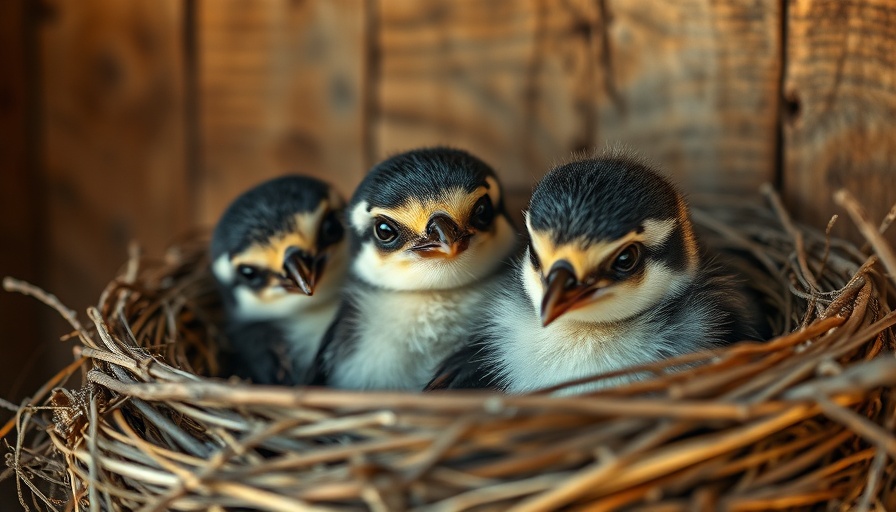
Barn swallow chicks resting in a nest, close-up view.

Understanding the Barn Swallow's Unique Nesting Needs

Barn Swallows, recognizable by their sleek silhouettes and distinctive forked tails, depend heavily on human-made structures for their nesting needs. As the decline of small-scale farming continues, these beautiful birds lose their traditional habitats. Once prevalent in barns and outbuildings, Barn Swallow populations have seen alarming decreases of over 50% in North America from 1966 to 2019.

Why Their Nesting Habitats Are Disappearing

The decline is not merely due to natural selection; it reflects broader environmental challenges. Habitat loss, the diminishing presence of aerial insects, and climate change are just a few contributing factors to their plight. Interestingly, Barn Swallows prefer human-made structures over natural ones, even as those structures diminish.

A Path to Recovery: How You Can Help

Despite these challenges, there is hope! Implementing targeted nesting efforts has shown promise. Simple actions such as installing artificial nest cups and creating mud sources for nest construction can significantly impact the swallows' success in rebuilding their populations. For instance, one conservationist transformed an unused barn into a thriving nest site, increasing the number of nesting pairs from three to fifteen over just twelve years.

Encouraging Your Local Barn Swallows

What can you do? If you have a suitable structure, consider creating a DIY nest platform or purchasing ready-made options. Keeping nesting sites accessible encourages swallows to return year after year, maintaining their vital link to human environments. Monitoring nests is equally crucial; collaborating with organizations like NestWatch allows you to contribute to scientific efforts ensuring Barn Swallow populations are tracked effectively.

By taking these small steps, you not only support Barn Swallows but also engage in a greater movement towards sustainable living and biodiversity conservation. Every action counts in the journey toward protecting these majestic birds, ensuring they continue to grace our sky.

Healthy Hatchlings

8 Views

0 Comments

Write A Comment

*
*
Related Posts All Posts
12.06.2025

Discover How Community Conservation Efforts Protect Birds in 2025!

Update Join the Community: Bird Conservation in 2025 As we step into December 2025, the urgency of bird conservation has never been more pressing. According to the State of the Birds 2025 report, North America faces a troubling decline in bird populations, with similar trends noted globally. The call to action is clear: conserving bird habitats requires collective effort and informed community involvement. Why Community Nest Monitoring Matters Community-driven initiatives, like those highlighted by Robyn Bailey from NestWatch, show us that small actions can yield monumental effects. Programs such as the NYC Parks’ Wildlife Unit have mobilized volunteers to monitor breeding raptors, educating the public about urban wildlife impacts while gathering vital data for ecological preservation. Such projects not only engage local participants but also assist city planners in making informed decisions regarding rodenticide use, which can harm hawks and other raptors. Overcoming Environmental Challenges Together The resilience of avian species like the American Dipper illustrates the importance of community action in addressing environmental disasters. After the Gold King Mine spill in 2015, concerned citizens initiated a project to monitor these songbirds in Colorado, shedding light on the impacts of pollution and fostering a sense of responsibility towards our shared ecosystems. Take Action: Build a Nest Monitoring Program With numerous effective examples out there, establishing a bird monitoring program in your community can be a significant step towards sustainability. Consider discussing ideas with local conservation groups or environmental councils. Resources, like the Bird-Friendly City guide by Timothy Beatley, can offer insights on engaging citizens and promoting bird-friendly practices. Becoming Part of the Solution Joining initiatives like the Bird City Network can provide your community with recognition for its conservation efforts. Through collective commitment to creating safe habitats for birds, not only do we support our winged companions, but we also enhance the well-being of our local environments. Together, we can create a lasting impact! So, whether you’re a seasoned birdwatcher or just someone looking to make a difference, take the first step today. Your observations matter!

12.04.2025

Discover How Ancient Bird Nests Provide Insights into Ecology and History

Update Unveiling the Secrets of Ancient Bird NestsWhen we think of bird nests, we often see them as temporary abodes, built for raising young and almost always dismantled after the breeding season. But recent revelations regarding the Bearded Vulture have challenged this notion, showing that some nests can endure for hundreds of years, acting as unusual historical records.Life History Embedded in NestsA fascinating study conducted in the southern Spanish mountains revealed that Bearded Vultures return year after year to the same nesting sites, consistently adding to existing structures. The resulting buildup creates layers of materials that preserve historical artifacts within them. By examining these layers, researchers have unearthed human-made items dating back to as far as the 13th century, including bits of footwear, slingshots, and even fabric, indicating interactions between humans and the surrounding ecosystem over centuries.The Dual Role of Vulture NestsThe nests of Bearded Vultures thus serve as more than mere homes for birds; they are living museums, chronicling ecological changes and human influences over time. As scientists note, analyzing these historical artifacts provides insights not only into avian behaviors but also into the past lifestyles of human inhabitants in the region.Conservation ImplicationsUnderstanding the historical significance of these nests opens up a broader conversation about nest conservation itself. With some nests being over 2,500 years old, actions to preserve these habitats are crucial to maintaining biodiversity and cultural heritage. Protecting nesting sites means not only safeguarding the birds but also preserving an ecological narrative that stretches back through generations.Every artifact we uncover in these nests offers a snapshot of past interactions, revealing much about both the environment and ourselves. It's a reminder that our current practices directly impact the legacies we leave for future generations of both wildlife and humans alike.

10.23.2025

Alarming Decline of Bird Species: What You Need to Know for Conservation

Update The Decline of Bird Species: A Global Concern October 2025 brings alarming news for aviary enthusiasts as a recent assessment highlights that more than half of the world's bird species are now in decline. This shocking statistic emphasizes the urgency of addressing biodiversity loss driven largely by habitat destruction, climate change, and human expansion. According to the International Union for Conservation of Nature (IUCN), an estimated 61% of assessed bird species are experiencing declining populations, up from 44% just nine years ago. Understanding the Threats: Deforestation and Urbanization The primary culprits behind this troubling trend are the relentless logging and agricultural practices that strip away the natural habitats of these species. For instance, the Schlegel’s asity in Madagascar and the tail-bobbing northern nightingale-wren in Central America have seen their numbers dwindle as their homes are threatened by development. As Dr. Ian Burfield from BirdLife International emphasizes, “The deep biodiversity crisis has become evident, and we must act now to reverse these declines.” Positive Steps Forward: Success Stories of Conservation Despite the grim outlook, the recovery of certain species demonstrates the power of concerted conservation efforts. The green sea turtle, once on the brink of extinction, has rebounded significantly thanks to habitat protection initiatives across several nations. This success story serves as a reminder that with proper intervention, it is possible to combat declining populations. The Importance of Community Involvement Local and international initiatives are crucial in this fight for biodiversity. Projects like BirdLife International’s habitat restoration programs in regions such as Sierra Leone highlight how community engagement in sustainable agriculture and forestry can lead to significant improvements in local ecosystems. These efforts not only help to protect native bird species but also nurture a spirit of environmental stewardship among communities. What Can You Do? With the following tips, you can contribute positively to bird conservation: Support Sustainable Practices: Look for products that promote ecological balance and comply with sustainable practices. Get Involved: Participate in local conservation efforts or support organizations focused on wildlife protection. Spread Awareness: Educate your friends and family about the importance of biodiversity and the steps we can all take to help. While the statistics on bird decline are concerning, we can also take heart from the measures being implemented worldwide. Your individual efforts, combined with collective conservation initiatives, can make a meaningful difference in safeguarding our avian friends and their habitats.

Terms of Service

Privacy Policy

Core Modal Title

Sorry, no results found

You Might Find These Articles Interesting

T
Please Check Your Email
We Will Be Following Up Shortly
*
*
*