Add Row
Add Element
cropper
update
update
Add Element
  • Home
  • Categories
    • Healthy Hatchlings
    • Wellness Weekly
    • Avian Lifesavers
    • Vet Talks
    • Behind the Feathers
    • Rescue Roundup
    • Aviary Secrets
June 26.2025
2 Minutes Read

Mastering Ornithological Terms: A Fun Approach to Bird Vocabulary

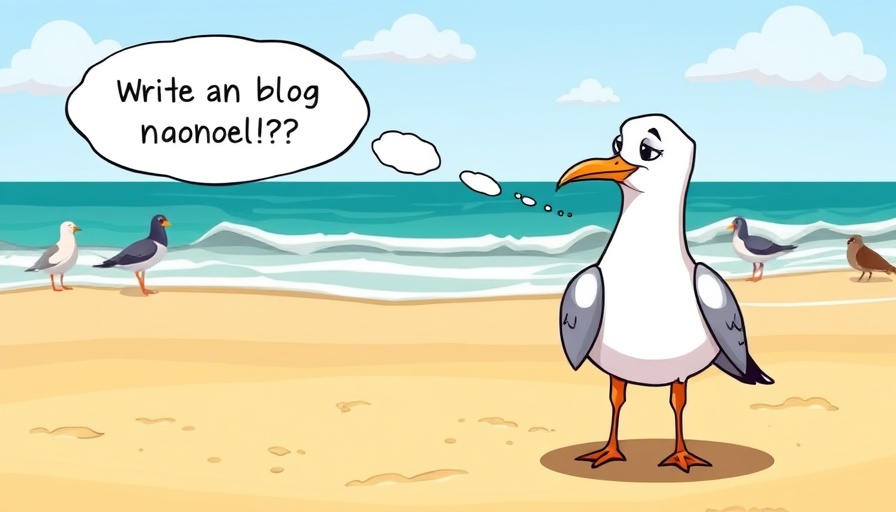
Cartoon seagull pondering novel on beach, ornithological terms humor

Unpacking Ornithological Linguistics

Birdwatching is a passion for many, and the language associated with it can be as diverse and colorful as the birds themselves. From the Latin terms that describe various bird species to the quirky phrases that have emerged over years of birding culture, ornithology is rich with linguistic nuance that might leave even seasoned birders tongue-tied. This article breaks down some of the most complex and whimsical ornithological terms, making them accessible for bird enthusiasts at all levels.

Why Understanding Bird Terminology Matters

Understanding ornithological vocabulary not only enhances your birding experience but also enriches the conversations within the birding community. Using precise terms can better convey observations and findings, fostering deeper discussions among peers and improving documentation efforts for bird conservation. Plus, employing such terminology can add an element of fun and intellectual challenge as you explore the avian world.

Common Tongue-Twisters and What They Mean

Among the more challenging terms often encountered are phrases like ‘Ciconiiformes’ which refers to the order that includes storks and herons. Or how about ‘Corvidae’, a family that encompasses intelligent birds like crows and ravens? Remember, it’s not just about pronouncing these words correctly; knowing what they represent enhances your understanding of bird biology and the intricacies of their classifications.

Embrace the Challenge

Don't shy away from these tongue-twisters. Instead, view them as opportunities to engage more deeply with the world of birds. Practicing exclusive bird terms can be a fun way to engage friends on birdwatching trips, and it helps solidify your own knowledge. Websites and mobile applications are excellent resources for improving your ornithological vocabulary in an interactive way.

Call to Action: Start Reaching for the Birding Glossary!

Familiarizing yourself with ornithological terms is just one of the many steps you can take to enhance your birdwatching skills. With the right resources, you can deepen your understanding of the avian universe. Dive into the linguistic side of birdwatching; pick up a glossary or seek out informative articles and you’ll find that learning to articulate your observations opens up a new level of appreciation for nature’s most fascinating creatures.

Behind the Feathers

11 Views

0 Comments

Write A Comment

*
*
Related Posts All Posts
01.09.2026

Uncover the Secrets of Tree-Climbing Birds Like the Brown Creeper

Update Discovering the Climbing Wonders of Backyard Birds When it comes to observing nature from our own homes, few sights are as captivating as backyard birds skillfully navigating tree trunks. These creatures, particularly the elusive Brown Creeper, exhibit remarkable adaptations that allow them to thrive in wooded environments. Understanding their behaviors not only enhances our appreciation for these birds but also promotes conservation efforts. The Unique Adaptations of Brown Creepers Brown Creepers are small avian wonders, adept at blending in with their surroundings to forage for insects hidden beneath bark. Their distinctive brown and white plumage mimics tree bark, making them nearly invisible against the trunks they climb. With their long, down-curved bills, they expertly probe into crevices, allowing them to extract morsels often overlooked by larger birds. These birds can usually be spotted zigzagging up tree trunks, a behavior that not only showcases their climbing prowess but also enhances their foraging success. As they reach the top of one tree, they flutter down to another, seamlessly transitioning from one food source to the next. Despite their low conservation concern status, they depend on healthy mature forests and old trees for nesting and foraging, making their presence significant indicators of forest health. Why Backyard Bird Watching Matters Bird watching offers a unique opportunity for education and connection to nature. By observing the Brown Creeper and its behaviors, enthusiasts can learn about habitat requirements and the interconnectedness of ecosystems. This knowledge can inspire gardening for wildlife, such as leaving dead trees standing and creating habitats that cater to their needs. Additionally, awareness around bird conservation draws attention to larger environmental issues, such as deforestation and climate change. Community involvement in initiatives like Project FeederWatch allows individuals to contribute to scientific data collection and supports habitats essential to birds like the Brown Creeper. Join the Movement for Bird Conservation As we delve deeper into the avian world, it’s clear that every small action can make a large difference. Whether you are an avid bird watcher or a casual observer, your efforts in promoting bird conservation can help protect these climbing wonders. Take action today by learning more about local bird species and how you can create a welcoming environment for them in your backyard.

12.24.2025

Discover Key Insights from Living Bird Winter 2026—Bird Conservation Highlights

Update Bird Conservation and Community Involvement The upcoming edition of Living Bird

12.11.2025

Winter Sparrows at Your Feeder: How to Identify and Attract Them

Update Discover the Fascinating World of Winter Sparrows at Your Feeder Winter brings not only colder temperatures but also an abundance of birds to your backyard feeders, particularly sparrows. These small, often overlooked birds offer a wealth of diversity in their species and identification features, making them a thrilling sight for bird watchers and casual observers alike. Identifying Common Winter Sparrows The American tree sparrow is a common winter visitor that can be spotted by its lively behavior as it flits around the ground in search of seeds. Notable features include a rusty crown and a distinctive black dot at the center of its breast, reminiscent of a fashion statement from the past. Observing this sparrow, one might notice its bi-colored beak, which aids in identification. The white-throated sparrow, often lingering into the winter months, boasts two distinctive morphs and a characteristic song that many find charming. This sparrow can often be seen scratching the ground with both feet, an endearing trait that aids in feeding. Many people recognize the dark-eyed junco, commonly referred to as the “snowbird,” thanks to its striking contrast of dark grey and white plumage. This sparrow's presence often signals the arrival of winter, as it travels south from Canada to evade the cold. Attracting Sparrows to Your Feeder To draw these delightful birds into your yard, consider using inexpensive bird seed options, such as white millet, spread close to shrubs where sparrows feel safe. This feeding strategy can enhance your winter bird-watching experience. Exploring the Importance of Native Sparrows While many urban dwellers are familiar with the English house sparrow, it’s vital to recognize the native species that contribute to the ecosystem. Native sparrows play crucial roles in seed dispersion and pest control and often bring joy to observers with their behaviors and songs. Birdwatching Tips for Winter Birding enthusiasts can boost their chances of spotting these sparrows by being patient and using binoculars for a closer view. Keeping feeders stocked with appropriate seeds can keep sparrows returning all winter long. Join the Bird Conservation Community As winter unfolds, watching sparrows at your feeder not only enriches your experience but also contributes to broader conservation efforts. By staying informed and connecting with local birding groups, you can collaboratively help document sparrow populations and their habitats.

Terms of Service

Privacy Policy

Core Modal Title

Sorry, no results found

You Might Find These Articles Interesting

T
Please Check Your Email
We Will Be Following Up Shortly
*
*
*